SMART: Self-Monitoring, Analysis and Reporting Technology (aka S.M.A.R.T.)
Smart Street Lights


Here is a handful of information gathered on S.M.A.R.T. streetlamps in S.M.A.R.T. cities.
ARE THESE SUCH PROFOUND CHANGES IN OUR LIVES AND SURROUNDINGS EVEN DISCUSSED WITH US? DO WE EVEN KNOW ABOUT THEM? DO WE GIVE OUR CONSENT TO THEM? ARE THE RISKS TO THE HEALTH, LIFE OR FREEDOM AND PRIVACY OF CITIZENS TAKEN INTO ACCOUNT? OR IS THE INSANE FANTASY OF UNLIMITED POWER BEING REALIZED?
https://www.tandfonline.com/doi/full/10.1080/10630732.2022.2082825 Full article: Sensing Lights: The Challenges of Transforming Street Lights into an Urban Intelligence Platform (tandfonline.com)
Smart Street Lights and Their Challenges as Informational Infrastructures
The literature on smart street lights still is heavily focused on technological innovations, energy efficiencies, control systems, and light-centered feedback loops. Some authors describe the main aim of smart street lights as one where “lights turn on when needed and lights turn off when not needed” (Yoshiura et al., Citation2013). Müllner and Reiner (Citation2011) describe a smart street light system as one capable of regulating light functions by matching geo-fenced pedestrians with nearby luminaires. Others discuss methods for automated switching of street lights utilizing measurements of light conditions (Watson and OshomahAbdulaiBraimah, Citation2015), or focus on the development of mesh networks to improve remote light control systems (Deo, Prakash, and Patil, Citation2014). Mohamed (Citation2013) proposes interconnecting moving vehicles with nearby street lights using ad-hoc networks (VANET) to perform switching of lights. Archana and Mahalahshmi (Citation2014) discuss automating the dimming of interconnected LED light systems as a way for optimizing power management, using traffic flow statistics as a proxy for dynamic light demand in cities. Lau et al. (Citation2015) propose a light modulation system that detects traffic and pedestrians simultaneously, saving energy as a result. Parkash and Rajendra (Citation2016) use an infra-red sensor and a microcontroller to create on-demand switching of street lights. Meanwhile, Du Toit et al. (Citation2017) explore leveraging power line communications with a light-dependent resistor to perform intelligent light control. Others propose using public weather data to remotely regulate the light temperature of LED fixtures and generate better health conditions in people’s circadian rhythms (Daley et al., Citation2017), and Escriva et al. (Citation2018) propose performing remote control of luminaires in conjunction of GIS data to reduce light pollution in natural areas and protect the environment.
Additional literature looks at the diverse collection of ad-hoc applications that leverage street lights. For example, while Shahidehpour et al. (Citation2015) discuss the design and implementation of the Illinois Institute of Technology’s (ITT) micro grid system, which has the goal of reducing energy consumption on-campus, with a series of networked LED luminaires placed on-site, Jin et al. (Citation2016) of the same institute transformed these luminaires to perform public safety functions using buttons that connected users to 911 services, while raising potential cybersecurity concerns and vulnerabilities for these types of systems. Abinaya et al. (Citation2017) propose making street lights contextually aware of weather conditions utilizing sensor data, as a secondary function they propose using a camera system to monitor roads and for surveillance and safety functions. Yang et al. (Citation2020) propose an efficient configuration, deployment, and management for street lights, utilizing a virtual system with a linked database optimized for data transfer of multiple sensors and edge computing nodes. In general, the smart light related literature strongly reflects a functionalist trend centered on light and energy efficiency, but with a gradual shift to projects that are considering the luminaires for additional functions in recent years.
The literature related to this research includes that focused on socio-technical, economic, and political implications of smart cities in general (Luque-Ayala and Marvin, Citation2019; Ruhlandt, Citation2018) as well as privacy concerns and data ownership, which have been explored in relation to large-scale digital information systems (Duarte and Firmino, Citation2016; Vandercruysse et al., Citation2020). Ben Green (Citation2019) argues that in the smart city space, advocates become infatuated with specific technologies, forcing them as the solution to every city’s problems, regardless of the uniqueness of each place. Rifkin (Citation2014) however, discusses a more positive vision where large-scale IoT systems and their produced data can be used to create products at near-zero marginal-cost, giving way to a hybrid economic model that is part capitalistic market and part collaborative commons.
For Liesbet van Zoonen, privacy concerns raise tensions between a city’s efforts to become smart and their citizens. She proposes a framework of two dimensions to mediate this tension, contrasting the privacy invasiveness of the collected data vs. the degree at which such data will be used for surveillance purposes (Van Zoonen, Citation2016). Braun et al. (Citation2018) focus on privacy as a key inhibitor for social participation that could “dissolve” the advantages of smart cities and propose a series of guidelines to increase trust in the system. Lilian Edwards (Citation2016) identifies IoT architectures, cloud-based systems, and big-data as the three main concerns for smart cities to protect citizen’s rights to privacy, contrasting them with privacy laws in the European Union to explore areas of improvement. Others propose using technologies such as block chain to encode privacy protection and protect the data transactions within smart city systems (Biswas and Muthukkumarasamy, Citation2016).
Underlying the potential misuse of data lies a more fundamental concern of ownership. As Harari (Citation2018) points out, the concentration of big-data alongside artificial intelligence poses a threat to liberal democracies, since both reinforce each other to create more powerful algorithms capable of affecting people’s lives, giving more power to governments and corporations over our daily lives while diluting the responsibility of elected governments. James Scott (Citation2008) warns that the concentration of information offsets the power dynamics between governments and civil society, which under certain conditions create dire consequences, even when the intention behind its use is to improve the lives of citizens. Shoshana Zuboff (Citation2015) argues that systems based on computer-mediated transactions of data at mass scale is giving way to a new form of capitalism, where new forms of power commodify and control human behaviors for capitalistic purposes. Zuboff (Citation2019) later defined this form of power commodification as a mode of “surveillance capitalism,” where a tradeoff between enjoying the free data-driven services that we acquire (i.e., many of the services that power our digital lifestyles, and which work by integrating and distributing digital data such as web search engines, social network platforms, or mapping and directions software, among others), and the private data related to our personal behaviors that we cede in turn, often without our consent. While her research has focused primarily on companies such as Google or Facebook, her insights apply to large organizations and systems capable of profiting from large-scale data acquisition.
The Elephant in the Room: Privacy
All participants interviewed stressed the need to address privacy concerns of smart street lights that could serve as large-scale distributed sensor networks as well as the related handling of the sensitive data, which they might gather. Data collected by sensors, such as digital cameras or microphones, are simultaneously useful for applications such as monitoring traffic, parking, public safety, or noise pollution; however, both video and audio data can contain elements that the general public might find intrusive, such as personal features in video data, which can be used for the identification of individuals through automated observation or audio traces of personal conversations, which could be analyzed through natural language processing (NLP) technologies. Privacy is perceived as a key concern capable of derailing or limiting the scope and reach of a smart lighting initiative. In the case of Sidewalk Lab’s Waterfront project, this was arguably a key reason why the project was substantially scaled back, and ultimately cancelled in May 2020.
…
https://www.nailsmag.com/386643/the-difference-between-led-and-uv-lamps The Difference Between LED and UV Lamps - Technique - NAILS Magazine
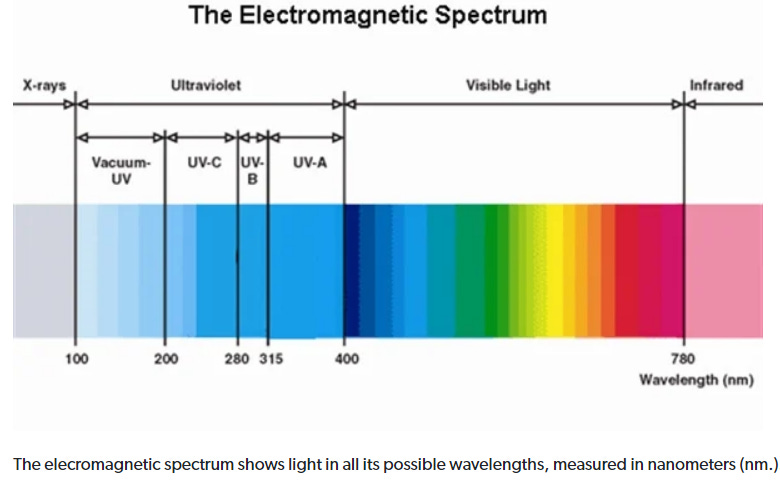
LED lights are actually UV lights also, because they emit light that is within the UV spectrum (specifically UV-A).
https://assileye.com/blog/led-lights-can-harm-your-eyes/

In an interview with CNN Health, the chief scientific research officer at Atlanta’s Morehouse School of Medicine, Gianluca Tosini, agreed with the ANSES findings, saying that blue light can indeed cause damage to the eyes, however, with high-intensity exposure at wavelengths below 455 nanometers.
Tosini explained that there are blue-light photoreceptors in the retina that directly communicate with the brain’s circadian clock. Exposure to blue light in the evening can disturb biological rhythms and sleep mostly by inhibiting the synthesis of the sleep-promoting hormone melatonin. In fact, circadian rhythm disruption has been known to aggravate metabolic disorders such as diabetes, cardiovascular disease, and some forms of cancer.
In fact, the ANSES study concluded that long term exposure to even low-level blue light “could accelerate the aging of retinal tissue, contributing to a decline in visual acuity and certain degenerative diseases such as age-related macular degeneration”.
https://ehp.niehs.nih.gov/doi/10.1289/ehp.122-A81 Hidden Blue Hazard? LED Lighting and Retinal Damage in Rats | Environmental Health Perspectives | Vol. 122, No. 3 (nih.gov)
Among the most popular household LEDs are products that employ a chip emitting blue light, which is surrounded by a yellow phosphor coating. Although the resulting light looks white to the naked eye, it can feature a spike in the blue end of the spectrum, at wavelengths of 460–500 nm.
In the current study, the researchers wanted to accurately simulate exposure to indoor lighting, says corresponding author Chang-Ho Yang, a professor and ophthalmologist at National Taiwan University’s College of Medicine. He points out that earlier work shone light directly into the eyes of experimental animals, which may induce damage but hardly corresponds to the indirect way in which most people are exposed to artificial lighting.
“We created an exposure environment where rats could run freely in a cage with the light source set on the rack ceiling twenty centimeters above the cage roof,” Yang explains. “This mimics the ‘domestic lighting’ condition as much as possible, which should greatly reduce the injury—theoretically.”
However, the retinas of rats exposed to either blue or cool white9 LED light showed evidence of retinal damage and cell death after 9 days of exposure.
The authors suggest the observed injuries may have been a consequence of oxidative stress from reactive oxygen species that were generated in retinal tissue.3
The rats used in these experiments were albino, and their unpigmented eyes were more sensitive to all effects of light. But even in typically pigmented eyes, Yang says, neuronal cells are incapable of repairing themselves or regenerating after damage. This makes it important to pin down mechanisms of injury and link them with clinical studies matching the conditions under which people will ultimately be using LED lighting. Future studies may suggest a spectrum threshold that could help the lighting industry optimize eye-friendly products, he notes.
Blue light is not without its virtues, says Seang Mei Saw, a professor of epidemiology and ophthalmology at the National University of Singapore, whose work deals with the onset of myopia in children. Time outdoors has shown a strong protective effect against myopia,11 and although the reasons are still undetermined, it’s possible blue light may play a role, Saw says—a hypothesis supported by evidence from animal studies.12 “Outdoor sunlight has more blue light that may protect for myopia,” she explains, “and indoor lighting, with relatively less blue light, may be detrimental for myopia.”
Energy-saving LED lighting
Unfortunately, most authorities are opting for LEDs that typically have excessive blue frequencies rather than the less intense ‘warm’ LED lights
– without consulting local people on the options and consequences.
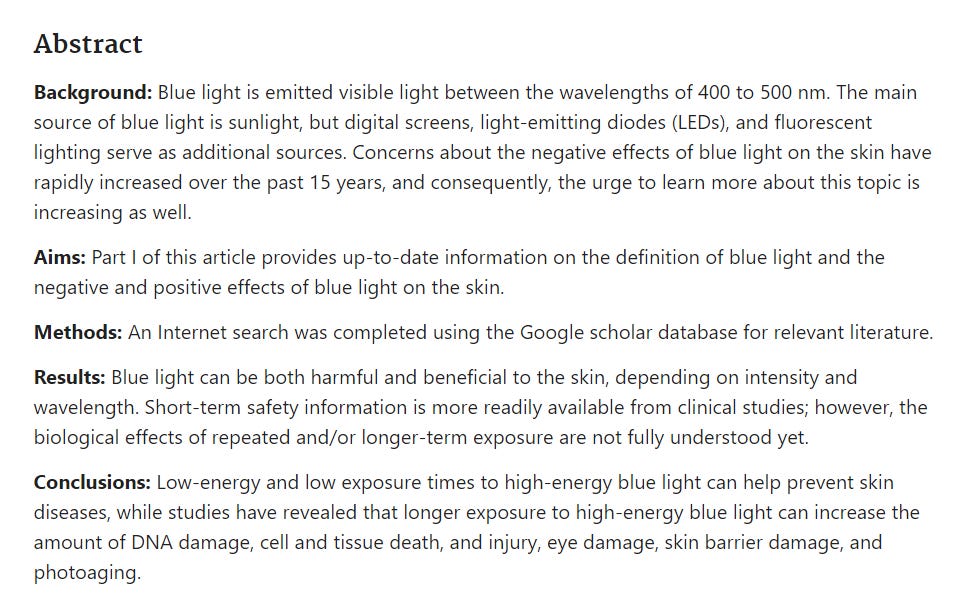
https://pubmed.ncbi.nlm.nih.gov/33247615/ Blue Light Protection, Part I-Effects of blue light on the skin - PubMed (nih.gov)
https://pubmed.ncbi.nlm.nih.gov/32862199/ Phototoxic damage to cone photoreceptors can be independent of the visual pigment: the porphyrin hypothesis - PubMed (nih.gov)
These data strongly indicate that cone phototoxicity can occur even at moderate latitudes, or under artificial lighting.
https://pubmed.ncbi.nlm.nih.gov/32758719/ Effects and mechanisms of action of light-emitting diodes on the human retina and internal clock - PubMed (nih.gov)
The expansion of LED use in both urban and domestic lighting has prompted questions regarding their possible health effects, because the light that they provide is potentially high in the harmful blue band (400-500 nm) of the visible light spectrum. Research on the potential effects of LEDs and their blue band on human health has followed three main directions: 1) examining their retinal phototoxicity; 2) examining disruption of the internal clock, i.e., an out-of-sync clock, in shift workers and night workers, including the accompanying health issues, most concerningly an increased relative risk of cancer; and 3) examining risky, inappropriate late-night use of smartphones and consoles among children and adolescents.
Blue-rich light, including cold white LEDs, should be considered a new endocrine disruptor, because it affects estrogen secretion and has unhealthful consequences in women, as demonstrated to occur via a complex mechanism.
https://www.techradar.com/news/world-of-tech/why-you-should-be-worried-about-connected-street-lights-1327834 published September 05, 2016
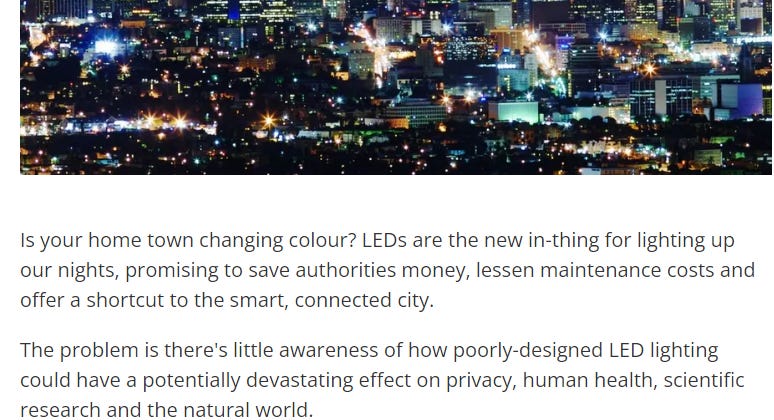
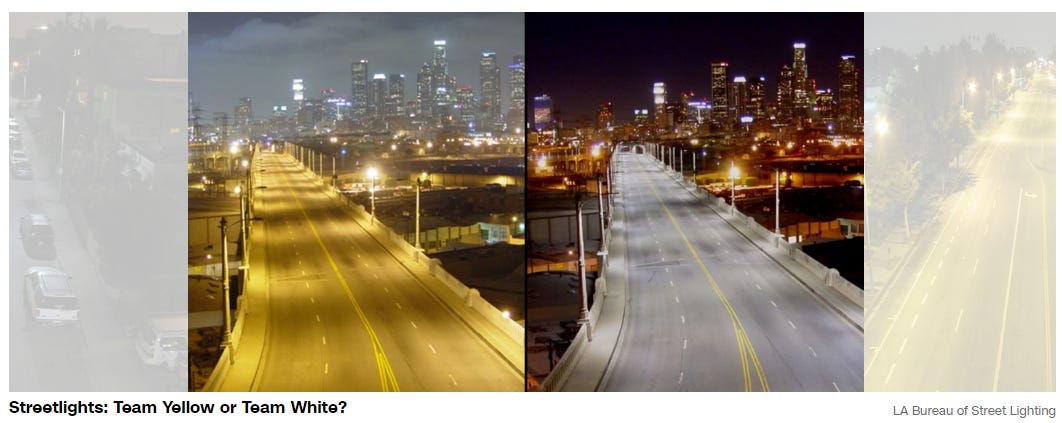
poorly-designed LED lighting could have a potentially devastating effect on privacy, human health, scientific research and the natural world

Los Angeles recently became the world's first city to deploy Philips connected street poles, which also act as 4G LTE cellular towers, and Doncaster in the UK just got 33,000 wirelessly connected LED street lights that use a pioneering low-power, wide-area and ultra-narrow broadband wireless technology to effectively turn each lamp post into a router.
This means it's likely we'll soon see LED street lights equipped with CCTV cameras, Wi-Fi routers and digital signage.
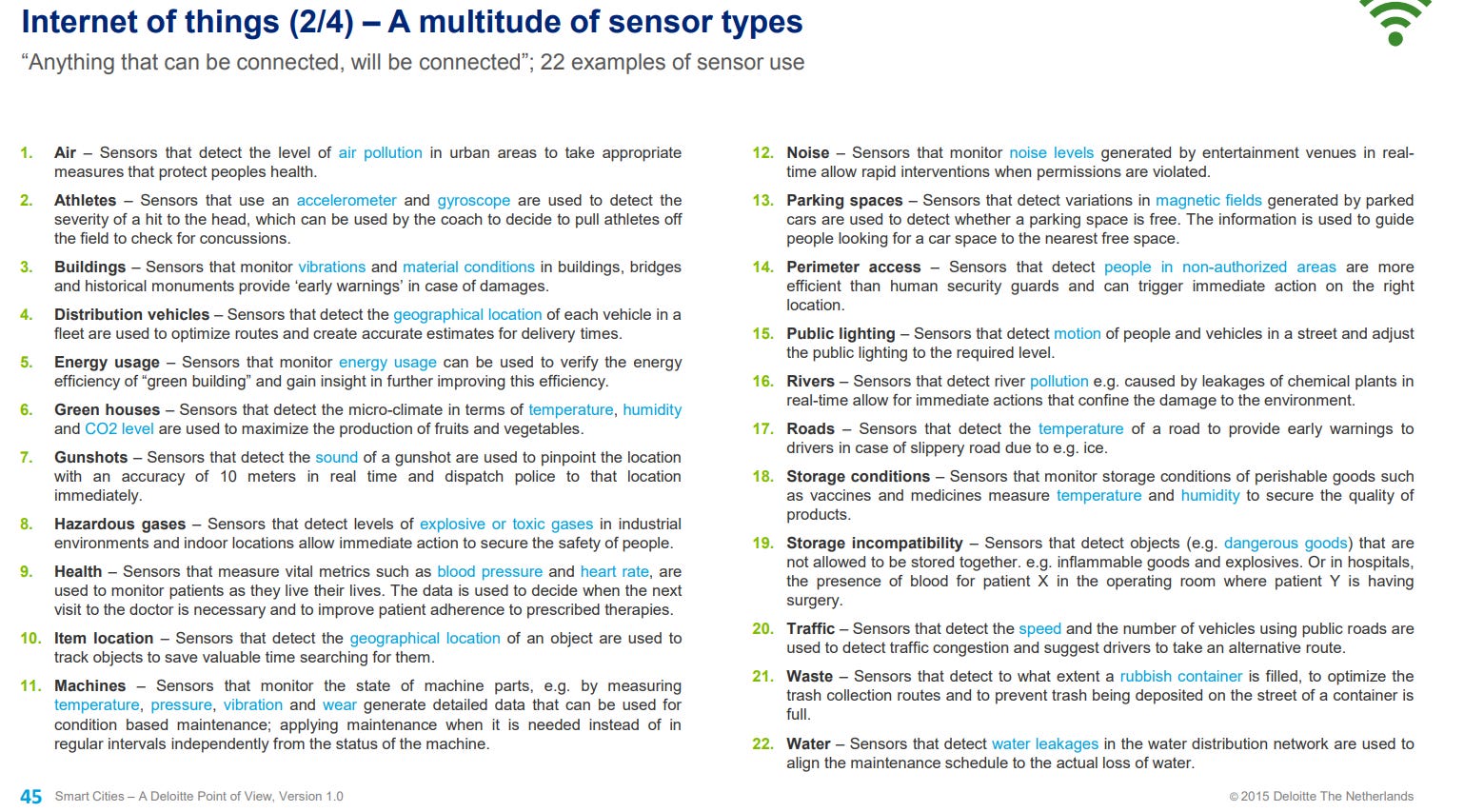
They'll be armed with multiple sensors that monitor air quality, hyper-local weather, traffic flows, nearby parking spaces, footfall on pavements and sidewalks, and noise pollution.
They could even act as a charging station for electric vehicles, and use Bluetooth to locate where every single citizen is by communicating with phones and wearables.
Privacy concerns
they come with huge concerns over their incessant collection of data.
Does anyone really want a sensor tracking their phone or wearable device, perhaps recording their heart-rate as they pass an LED street light?
Or even our conversations?
That tech will soon be here, with ShotSpotter systems – gunshot detection or microphones on street lights
LEDs contain a lot of blue light, which has negative effects on human health
(as well as the health of birds, turtles and insects) according to the American Medical Association,

which says that
white LED lamps have five times greater impact on circadian sleep rhythms than the lamps they replace.
Everyone knows about the need to stop staring at tablets and phones an hour or so before bed time (blue light suppresses melatonin production at night), with brands like Apple and Samsung baking the ability to gradually change the light emitted from LED screens to warmer, less harmful hues into their devices.
But there will need to be strict controls on both the light output and on
what happens to data collected by sensors on networked LED street lights, too.
"Despite the energy efficiency benefits, some LED lights are harmful when used as street lighting," AMA Board Member Maya A. Babu, M.D., M.B.A. "The new AMA guidance encourages proper attention to optimal design and engineering features when converting to LED lighting that minimize detrimental health and environmental effects."
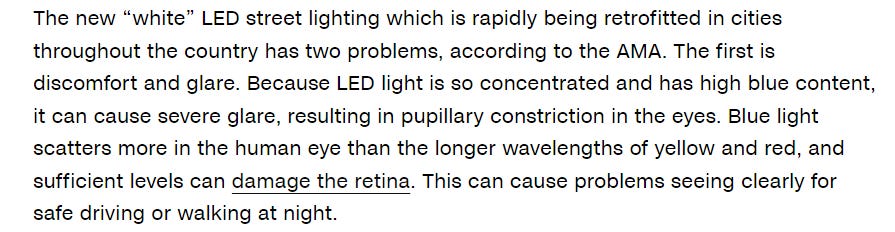
High-intensity LED lighting designs emit a large amount of blue light
that appears white to the naked eye and create worse nighttime glare than conventional lighting. Discomfort and disability from intense, blue-rich LED lighting can decrease visual acuity and safety, resulting in concerns and creating a road hazard.
In addition to its impact on drivers, blue-rich LED streetlights operate at a wavelength that most adversely suppresses melatonin during night
associated with reduced sleep times, dissatisfaction with sleep quality, excessive sleepiness, impaired daytime functioning and obesity.
The detrimental effects of high-intensity LED lighting are not limited to humans.
Excessive outdoor lighting disrupts many species that need a dark environment. For instance, poorly designed LED lighting disorients some bird, insect, turtle and fish species, and U.S. national parks have adopted optimal lighting designs and practices that minimize the effects of light pollution on the environment.
Recognizing the detrimental effects of poorly-designed, high-intensity LED lighting, the AMA encourages communities to
minimize and control blue-rich environmental lighting by using the lowest emission of blue light possible
to reduce glare. The AMA recommends an intensity threshold for optimal LED lighting that minimizes blue-rich light.
https://edition.cnn.com/2016/06/21/health/led-streetlights-ama/index.html

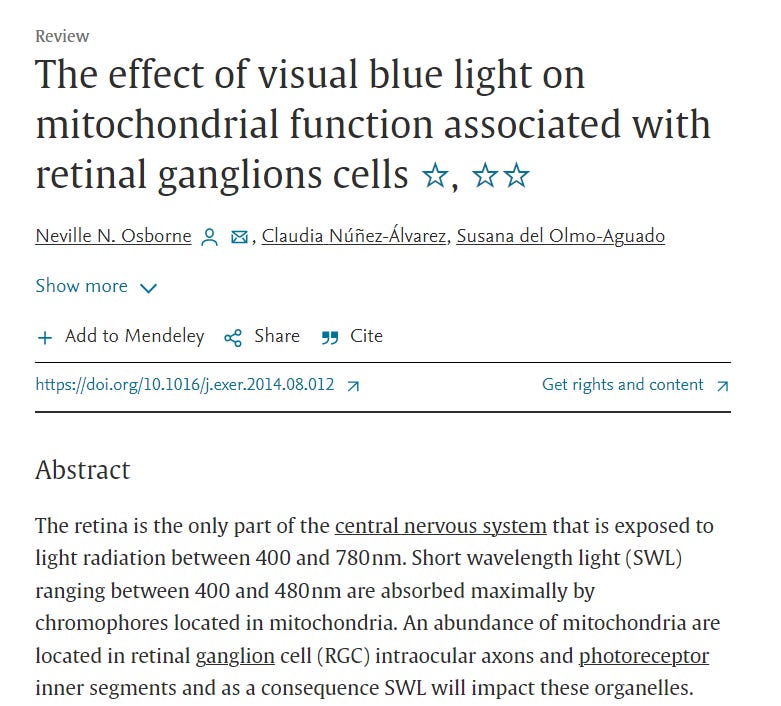
https://www.sciencedirect.com/science/article/abs/pii/S001448351400236X
https://news.mit.edu/2013/controlling-genes-with-light-0722 Controlling genes with light | MIT News | Massachusetts Institute of Technology
https://news.sky.com/story/led-lights-can-cause-irreversible-damage-to-eyes-experts-warn-11721469
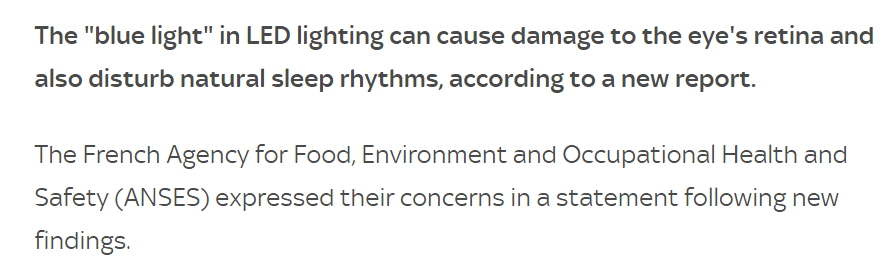
"Exposure to an intense and powerful (LED) light is 'photo-toxic' and can lead to irreversible loss of retinal cells and diminished sharpness of vision," it said.
The agency wrote a 400-page report which distinguished between acute exposure of high-intensity LED light and "chronic exposure" to lower intensity sources.
Chronic exposure can "accelerate the ageing of retinal tissue, contributing to a decline in visual acuity and certain degenerative diseases such as age-related macular degeneration," the agency concluded.

The agency has also cast doubt over the efficiency of some "anti-blue light" filters and sunglasses.
https://www.manufacturer.lighting/info/83/ Intelligent Street Lighting with Internet of Things (IoT) Connectivity (manufacturer.lighting)
The lighting industry has ushered in a new wave of revolution. As an integral part of urban lighting infrastructure, street lighting is at the forefront of the digital transformation.
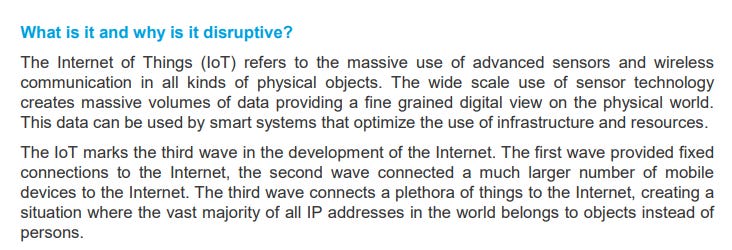
The most recent evolution in solid state lighting based on light emitting diode (LED) technology accelerated the phase-out of inefficient lighting systems and unexpectedly expedited the transition to smart lighting that leverages the Internet of Things (IoT) technology to help orchestrate infrastructure for sustainable smart cities.
Digital Light Source for Smart Lighting
The public lighting sector is on the verge of a major transformation driven by the radical energy efficiency improvement achieved by mass deployment of LED lighting. An LED is a semiconductor diode impregnated or doped with GaN layers to create a PN junction
and emits electromagnetic radiation in the form of visible light
when the PN junction is forward-biased.
By nature, solid state light sources have excellent compatibility with electronic logic circuits and associated control elements. The exceptional digital connectivity and flexible system integration capabilities have facilitated more sophisticated lighting control algorithms and increased networking possibilities. Intelligent street lighting provides a translation of the digital characteristics of LED lighting technology into a ubiquitous implementation of smart city initiatives.
Such light control systems consist of microcontrollers, dimming circuitry, timing devices, sensors, transceiver, digital inputs, and analog inputs. The initial application of lighting control technology for energy efficiency improvement subconsciously made a step toward intelligent lighting. In addition, street light poles are the ideal carriers for attachment of peripheral devices designed for lighting control. As wireless networks and internet access becomes increasingly commonplace, LED street lighting with network connectivity is poised to play a major role in smart city infrastructures.
Intelligent Street Lighting
Moving to digital control opens up a new horizon of automation to street lighting systems.
However, the real revolution arrives when intelligence is included in LED street lighting systems through the use of networked control performed via a multiplicity of control modules, making it truly smart.
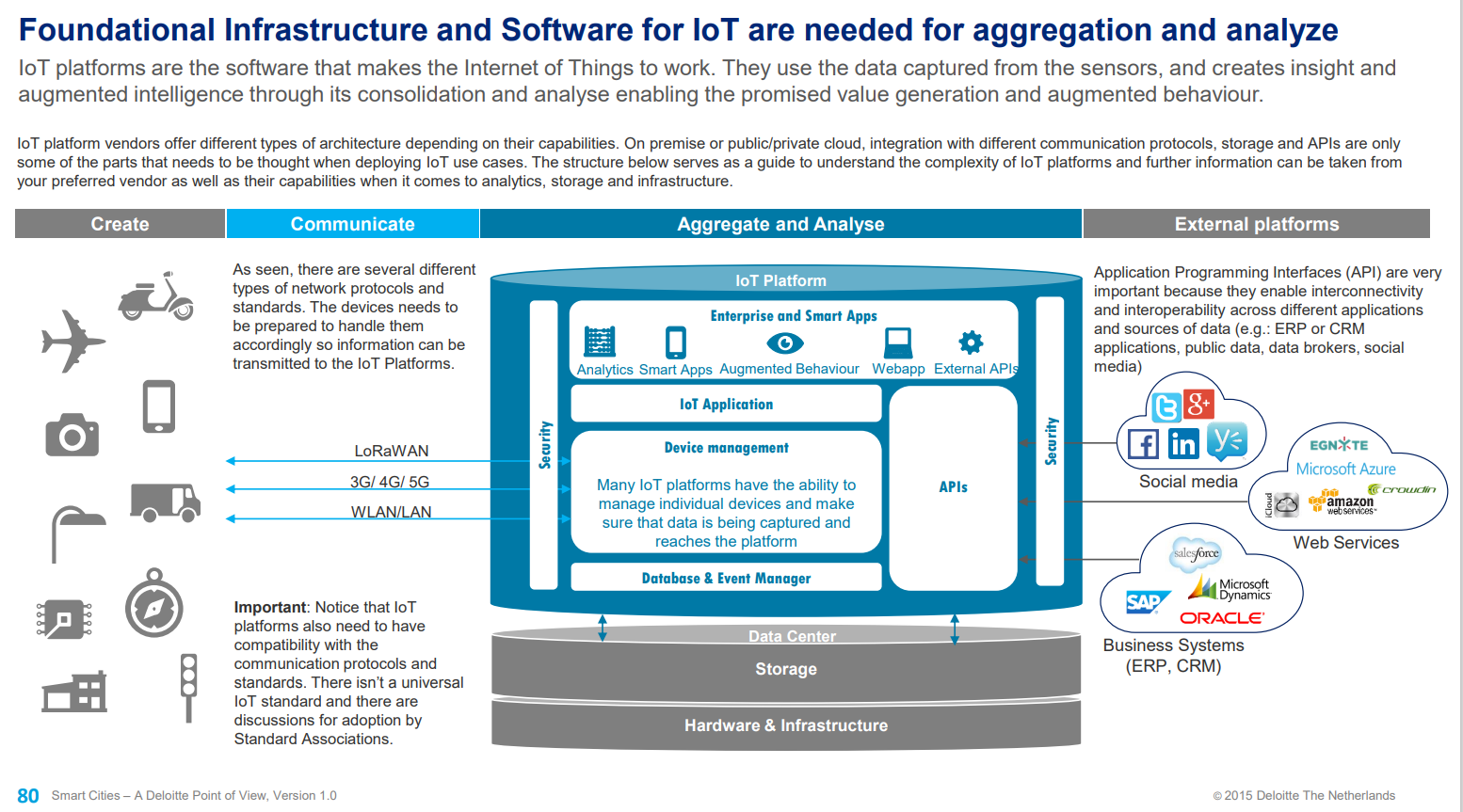
An intelligent street lighting system is a lighting system with intelligent control and remote communication features. The networked lighting system provides monitoring, measuring and control via wired or wireless communications between the central control system, the communication modules and the street lights. The integration of intelligence into LED street lighting applications enables many intelligent features by means of a bi-directional data exchange.
It’s not the “green” side of saving energy by automatically turning the lights off and on that has the Port Authority of New York and New Jersey excited and “already talking about expanding it to other terminals and buildings.” Instead, the excitement comes from the mountains of data captured by sensors and analyzed by software about “the habits of ordinary citizens.” Right now Port Authority, which operates Newark Airport, “owns” the data collected, but law enforcement can obtain it via a “subpoena or written request.”
In 2014, say hello to the new spying eye-in-the-sky LED light fixtures that “are outfitted with special chips and connect to sensors, cameras and one another over a wireless network. Data that is collected — say, a particular car pulling up to the terminal — can then be mined and analyzed for a broad range of applications.”
The light fixtures at Newark Airport are not the only lighting system intent on spying on the public to improve “safety” and “security.” It's not even a new idea. Yet three years ago when Internet-connected street light systems made by IntelliStreets came under fire for invading privacy, the company went on the defensive by calling its surveillance system a “big idea” and not “Big Brother.”
Let's get real. The light fixtures and LEDs at Newark Airport are not about saving energy or having cool lights capable of 16 million colors; it’s about watching us, analyzing data about us and storing it for who knows how long. As Justin Brookman from the Center for Democracy and Technology told the Times, “There are some people in the commercial space who say, ‘Oh, big data — well, let’s collect everything, keep it around forever, we’ll pay for somebody to think about security later.’ The question is whether we want to have some sort of policy framework in place to limit that.”
Since 2018, the number of US cities carrying out full-scale LED conversions has increased from 107 to 185 and by 2029, over a third of US streetlights will be connected, laying the groundwork for large-scale investments in digitalisation, according to the new US Smart Street Lighting & Smart Cities: Market Forecast (2020 – 2029) from Northeast Group.
https://cities-today.com/industry/itron-launches-programme-to-fund-smart-city-projects/
“With COVID-19, there is an exacerbation of budget pressure due to lost revenue caused by an extended period of shelter-in-place mandates from local governments. Cities recognise that tech has a role to play in post-pandemic recovery. Municipalities can leverage funding programmes to deploy technology that will help save the city money, improve sustainability and provide social benefits.”
By 2025, cities around the world will invest $64 billion in LED and “smart” streetlights.
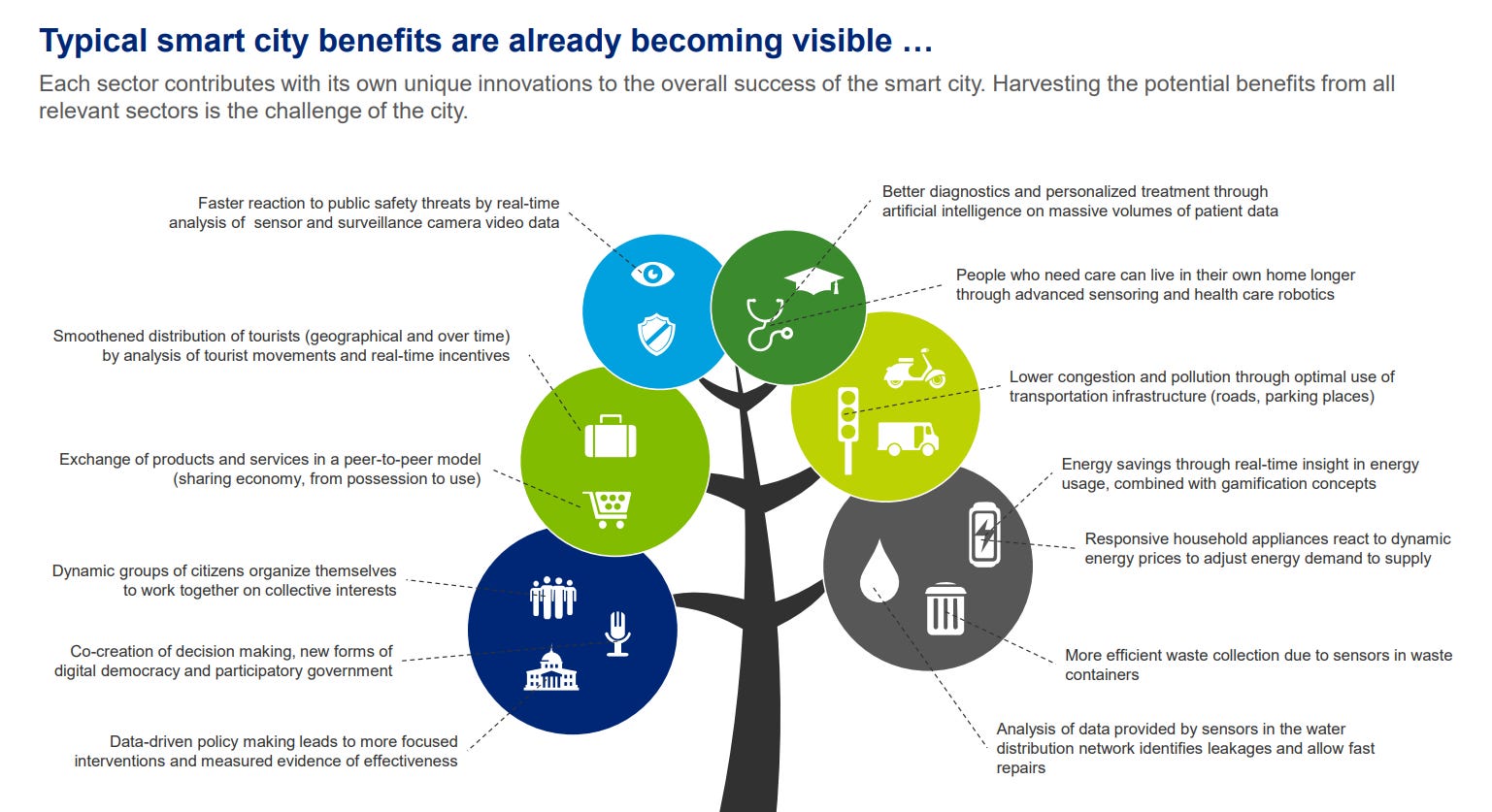
With these infrastructure projects, cities and municipalities across the world modernize their streetlights with more efficient LED lights. They also are deploying sensors, communications and analytics software throughout their street lighting infrastructure and creating "smart cities." This is a key segment of the emerging "Internet of Things", the report says.
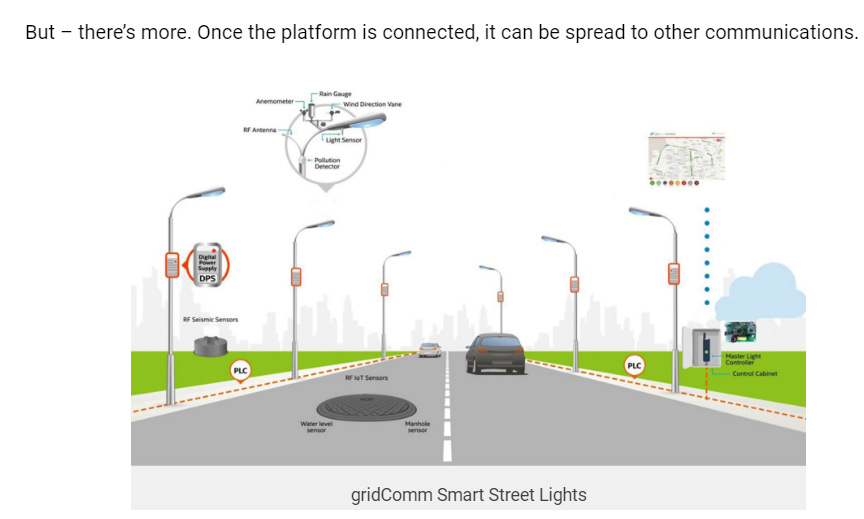
Developments in areas such as wireless communications, sensor networks, geospatial analysis, mobile computing, data analytics and cloud computing are helping in the development of smart city technologies to address issues like energy management, water management, urban mobility, street lighting and public safety.
An LED street light conversion is typically the first step in creating a smart-city digital infrastructure that can support any number of Internet of Things (IOT) sensors and devices, from cameras, microphones, speakers, air quality monitors – the list is almost endless – as well as share information with other nodes in the network and respond to instructions from the network.
The potential seems limitless.


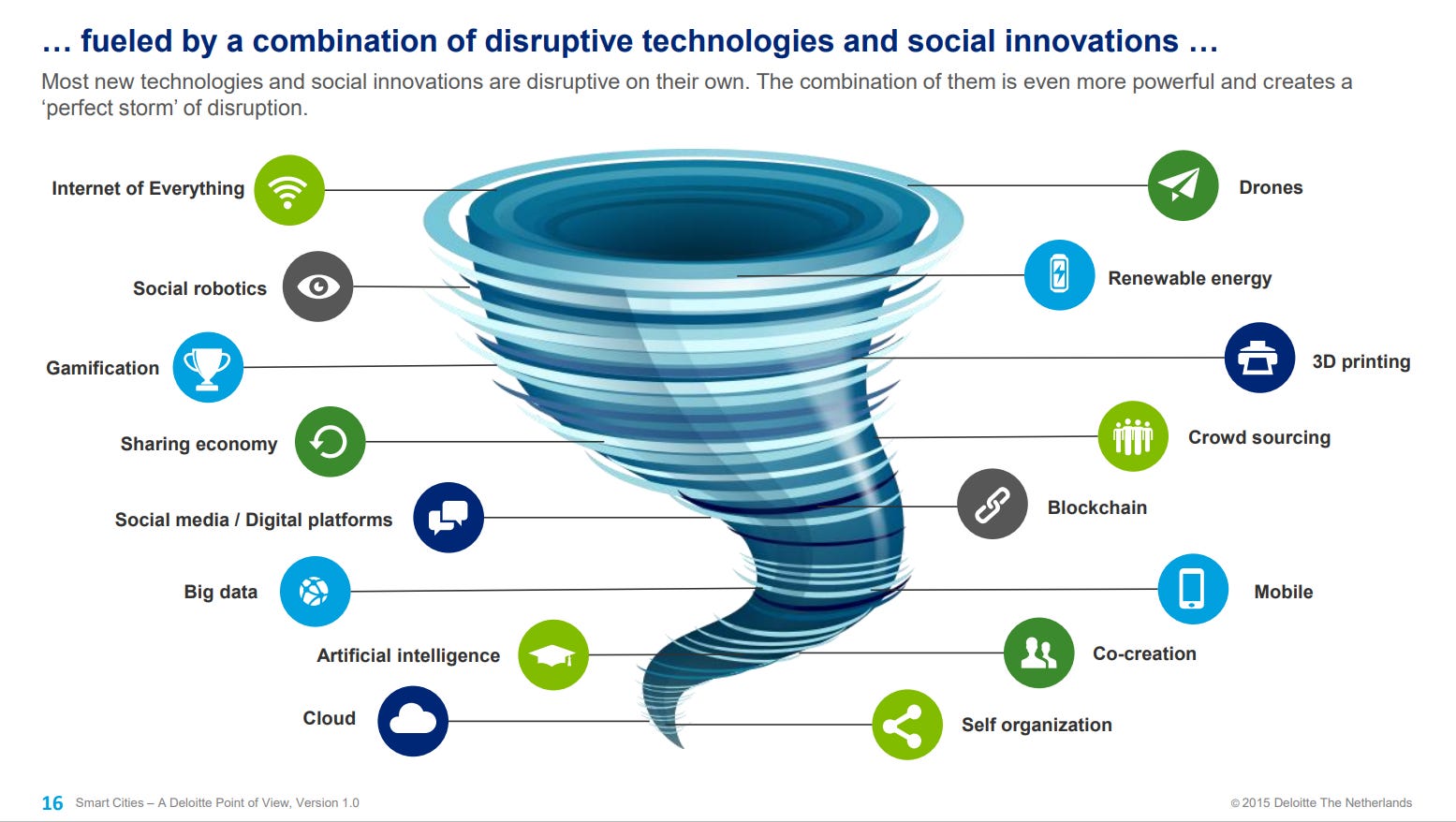
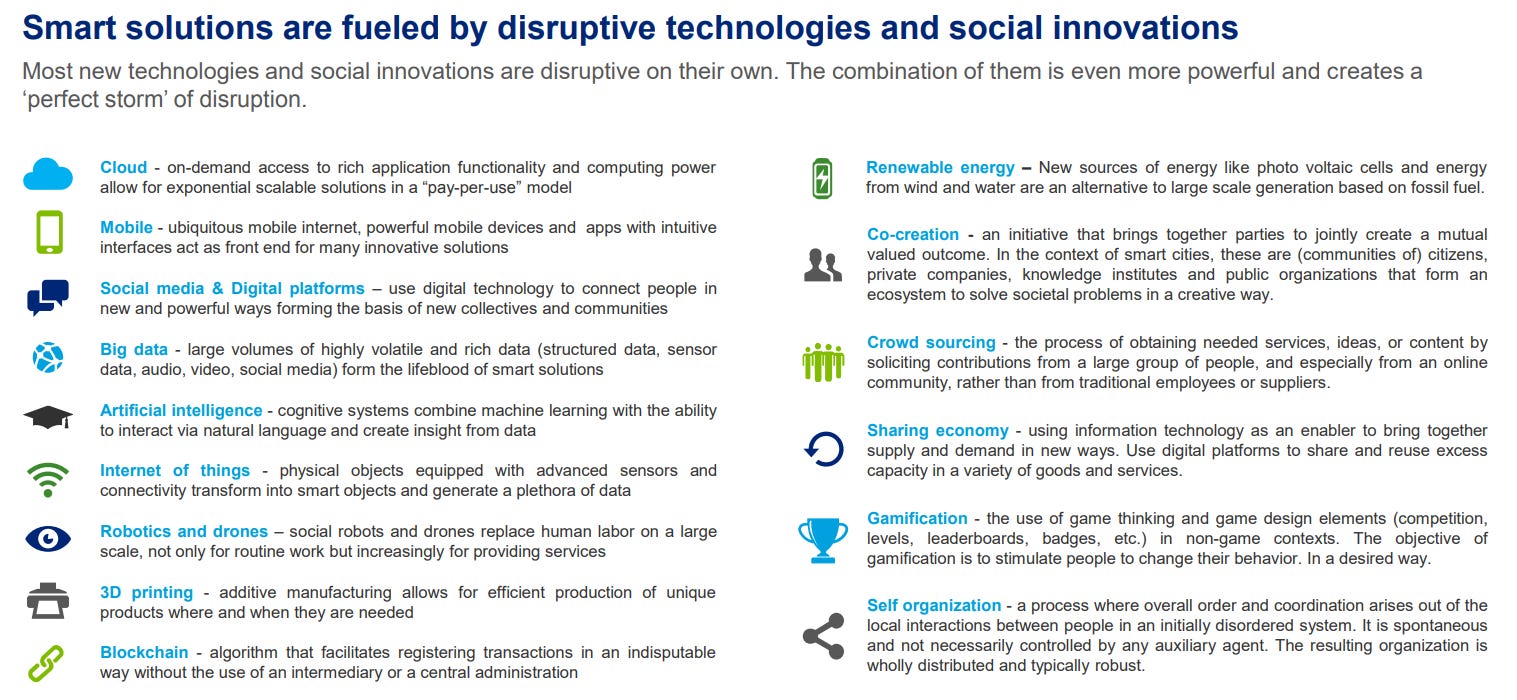


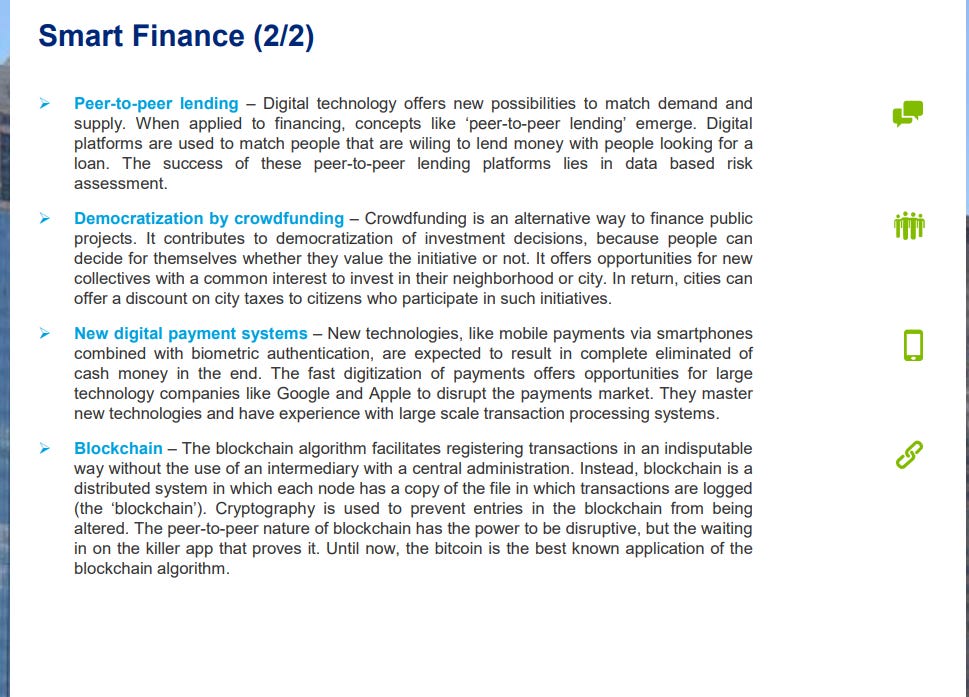
Blockchain – The blockchain algorithm facilitates registering transactions in an indisputable way without the use of an intermediary with a central administration. Instead, blockchain is a distributed system in which each node has a copy of the file in which transactions are logged (the ‘blockchain’). Cryptography is used to prevent entries in the blockchain from being altered. The peer-to-peer nature of blockchain has the power to be disruptive, but the waiting in on the killer app that proves it. Until now, the bitcoin is the best known application of the blockchain algorithm.

….
Civilization has reached the end of its natural imagination. All it can produce is its own destruction, it is neither interested nor capable of anything else. Instead of living a life of peace, harmony, true culture and well-being, we are hunted in every way as the surveilled slaves of surveillance regimes.
Terrific article & research! I live in a major city and there are many lights which range in color from lavender, blue lavender, and a kind of bright dense neon, fluorescent blue. These last are especially trippy - makes one feel disoriented, like in a mentally altered state. These are not white lights whatsoever, they are different shades of lavender or blue. I call them “Blucipher” lights (similar to the sculptured blue horse near the Denver Airport who is called “Blucipher”).
Highly recommend everyone watch interviews with Aman Jabbi who helped further the technology of LED lights. He became a whistleblower & is warning the public about the dangers of these new lighting systems.
This interview with Carrie Madej is especially good.
https://rumble.com/v1dakdt-dr.-carrie-madej-july-intel-update-with-aman-jabbi-july-2022.html